

Robotic Hiatal Hernia Repair Surgeon in California
A hiatal hernia occurs when part of the stomach pushes through the diaphragm, often causing symptoms like acid reflux, chest discomfort, or difficulty swallowing. Robotic-assisted surgery offers a precise, minimally invasive approach to repairing the hernia and restoring normal anatomy. Dr. Al-Temimi provides advanced robotic hiatal hernia repair in California, combining expert surgical skill with the latest technology. Dr. Al-Temimi also delivers personalized care throughout your recovery. Contact Dr. Al-Temimi’s office to schedule an appointment today!
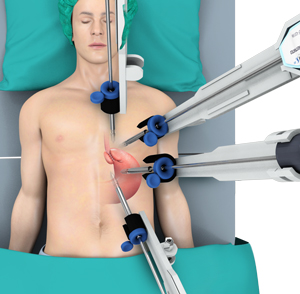
What is Robotic Hiatal Hernia Repair?
Robotic hiatal hernia repair is a minimally invasive surgical procedure used to treat a hiatal hernia, where part of the stomach pushes up into the chest through an opening (hiatus) in the diaphragm (a muscle that separates the chest cavity from the abdominal cavity). It may cause symptoms like heartburn or acid reflux, difficulty swallowing, chest or abdominal pain, and regurgitation. Robotic hiatal hernia repair is performed using a robotic surgical system, most commonly the da Vinci® Surgical System, which allows the surgeon to operate with enhanced precision, dexterity, and control through small incisions. This approach combines the benefits of laparoscopic surgery with robotic technology to improve outcomes in complex hernia cases.
What are the Indications for Robotic Hiatal Hernia Repair?
Common indications for robotic hiatal hernia repair include:
- Symptomatic hiatal hernia (e.g., heartburn, regurgitation, chest pain)
- Gastroesophageal reflux disease (GERD) not controlled by medications
- Large or paraesophageal hernias that pose a risk of complications like strangulation
- Recurrent hiatal hernia after prior repair
- Swallowing difficulties due to hernia-related esophageal compression
These indications typically warrant surgical intervention for symptom relief and to prevent complications.
What Does the Procedure for Robotic Hiatal Hernia Repair Involve?
In general, the procedure for robotic hiatal hernia repair will involve the following steps:
- The patient is placed under general anesthesia.
- Small incisions (typically 4–5) are made in the abdomen to insert robotic ports and a high-definition 3D camera.
- The robotic system (e.g., da Vinci® robot) is docked, and the surgeon controls the robotic arms from a nearby console.
- The stomach and any other herniated contents are gently pulled back into the abdominal cavity.
- The diaphragmatic opening (hiatus) is tightened with sutures to prevent future herniation.
- If needed, a portion of the stomach is wrapped around the lower esophagus to prevent reflux, commonly a Nissen (360°) wrap or a Toupet (270°) partial wrap.
- In select cases, a biologic or synthetic mesh may be used to strengthen the repair.
- The instruments are removed, and incisions are closed with sutures or surgical glue.
What Does Postoperative Care for Robotic Hiatal Hernia Repair Involve?
Following robotic hiatal hernia repair, patients are typically monitored in the hospital for 1–2 days, with early ambulation encouraged to reduce the risk of blood clots. Pain is managed with medications, and a clear liquid diet is started within the first 24 hours, gradually advancing to soft foods over the next few weeks. Patients are advised to avoid heavy lifting, strenuous activity, and bending for at least 4–6 weeks. It is common to experience mild bloating, difficulty swallowing, or gas pains initially. Follow-up appointments are scheduled to monitor recovery, and any signs of infection, persistent pain, or swallowing difficulties should be promptly reported.
What are the Risks and Complications of Robotic Hiatal Hernia Repair?
While rare, possible risks of robotic hiatal hernia repair include the following:
- Bleeding
- Infection
- Injury to nearby organs (esophagus, stomach, spleen)
- Difficulty swallowing (dysphagia)
- Recurrence of the hernia
- Anesthesia-related risks
What are the Benefits of Robotic Hiatal Hernia Repair?
Robotic hiatal hernia repair offers several benefits over traditional open surgery and includes the following:
- Enhanced precision and control for the surgeon
- Smaller incisions and less pain
- Lower risk of infection
- Shorter hospital stay and faster recovery
- Better cosmetic results
- Lower risk of complications compared to open surgery
If you would like more information about hiatal hernias or are considering robotic hiatal hernia repair, please contact Dr. Al-Temimi, dedicated to serving the communities of California.