
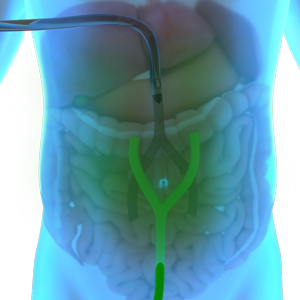
What is Hyperthermic Intraperitoneal Chemotherapy (HIPEC)?
Hyperthermic intraperitoneal chemotherapy (HIPEC) is a cancer treatment procedure in which an extremely concentrated and heated chemotherapy solution is delivered directly into the abdominal cavity to destroy any microscopic or residual cancer cells that may have remained in the abdomen after primary cancer surgery such as cytoreductive surgery.
Prior to the administration of HIPEC, your surgeon uses standard surgical techniques to remove all visible (macroscopic) tumors that can be removed throughout the peritoneal/abdominal cavity through a series of peritonectomy procedures. This is known as cytoreductive surgery.
Indications for Hyperthermic Intraperitoneal Chemotherapy (HIPEC)
Advanced cancers that have spread to the lining of the abdominal cavity (peritoneum and/or peritoneal cavity), such as those of the colon, appendix, ovaries, and stomach are notoriously difficult to treat and surgery alone is rarely successful. HIPEC is mainly indicated to treat such cancers that cannot be treated by cytoreductive surgery alone. These cancers include:
- Peritoneal cancer
- Mesothelioma
- Colorectal cancer
- Appendix cancer
- Stomach cancer
- Ovarian cancer
- Other locally advanced cancers in the abdomen
Preparation for Hyperthermic Intraperitoneal Chemotherapy (HIPEC)
Pre-procedure preparation for hyperthermic intraperitoneal chemotherapy (HIPEC) will involve the following steps:
- A thorough examination by your doctor is performed to check for any medical issues that need to be addressed prior to surgery.
- Depending on your medical history, social history, and age, you may need to undergo tests such as blood work and imaging to help detect any abnormalities that could threaten the safety of the procedure.
- You will be asked if you have allergies to medications, anesthesia, or latex.
- You should inform your doctor of any medications, vitamins, or supplements that you are taking.
- You should refrain from medications or supplements such as blood thinners, aspirin, or anti-inflammatory medicines for 1 to 2 weeks prior to surgery.
- You should refrain from alcohol or tobacco at least a few days prior to surgery.
- You should not consume any solids or liquids at least 8 hours prior to surgery.
- You will be placed on a special diet prior to surgery and laxatives may be used to clean out your bowel.
- You may be instructed to shower with an antibacterial soap the night prior to surgery to help lower your risk of infection after surgery.
- Arrange for someone to drive you home as you will not be able to drive yourself after surgery.
- A written consent will be obtained from you after the surgical procedure has been explained in detail.
Procedure for Hyperthermic Intraperitoneal Chemotherapy (HIPEC)
The HIPEC procedure is most often combined with cytoreductive surgery - a procedure to debulk or decrease the size of cancerous tumors within the belly. The procedure is a complex surgery that takes 8 to 12 hours to complete and is performed as an open surgery usually under general anesthesia.
The first part of the procedure involves cytoreductive surgery in which a large surgical cut is made on the abdomen and all macroscopic tumors in the peritoneal cavity are excised, leaving behind only the residual and microscopic tumors that cannot be eliminated by cytoreductive surgery.
Cytoreductive surgery is followed by hyperthermic intraperitoneal chemotherapy (HIPEC) that involves destroying any remaining residual or microscopic cancer cells in the peritoneal cavity. This part of the procedure involves flushing the abdominal cavity with a heated chemotherapy solution through small tubes called catheters for around 2 hours. The chemotherapy drugs that may be used include cisplatin, carbolpaltin, mitomycin C, gemcitabine, and doxorubicin. The chemotherapy agent is heated to a temperature of between 42 °C to 43°C with the objective of removing any remaining tumor cells while preserving the healthy ones. This temperature is chosen as cancer cells are known to die at around 40°C, whereas normal cells die at around 44°C. Your doctor massages your abdomen by hand and rocks you back and forth on the operating table to ensure the solution is fully mixed and reaches all of the remaining cancer cells. After finishing the chemotherapy bath, the medicated solution is removed from the body and the abdominal cavity is thoroughly rinsed with saline solution before removing the catheters. The incision is closed with absorbable sutures and sterile dressings are applied.
Postoperative Care and Recovery
In general, postoperative care instructions and recovery after hyperthermic intraperitoneal chemotherapy (HIPEC) will involve the following steps:
- You will be transferred to the recovery area where your nurse will closely observe you for any allergic/anesthetic reactions to the medications and anesthesia used. Your nurse will also monitor your blood oxygen level and other vital signs as you recover.
- As it is a complex surgery, you will likely require 7 to 14 days of hospital stay after surgery.
- You may experience pain, inflammation, and discomfort in the operated area. Pain and anti-inflammatory medications are provided as needed.
- Medications may also be prescribed as needed for symptoms associated with anesthesia, such as vomiting and nausea.
- Walking and moving around in bed is strongly encouraged as it lowers the risk of blood clots and pneumonia. It also helps to stimulate your bowels and assist with passing gas.
- Antibiotics are prescribed to address the risk of surgery-related infection.
- Your diet is slowly advanced post surgery. You will start with clear liquids and then progress to having normal solid foods, as tolerated.
- It is important to keep the surgical site clean and dry. Instructions on surgical site care and bathing will be provided.
- Refrain from smoking for a specific period of time as it can negatively affect the healing process.
- Refrain from strenuous activities and lifting anything heavier than 10 pounds for the first couple of months. Gradual increase in activities over a period of time is recommended.
- Eating a healthy low fat, high fiber diet is strongly recommended to promote healing and a faster recovery as well as drinking 8 to 10 glasses of water daily to prevent constipation. Laxatives or stool softeners may also be recommended as needed.
- Most patients will need to take off work at least a month or two to rest and promote healing. You may take 2 to 3 months until you begin to feel back to normal.
- Walking is a good exercise and is strongly recommended to improve your endurance.
- Refrain from driving until you are fully fit and receive your doctor’s consent. Most patients often can resume driving around 2 to 4 weeks following surgery.
- You will be able to resume your normal activities within a couple of weeks but may have certain activity restrictions.
- A periodic follow-up appointment will be scheduled to monitor your progress.
Benefits of Hyperthermic Intraperitoneal Chemotherapy (HIPEC)
Some of the benefits of hyperthermic intraperitoneal chemotherapy (HIPEC) include:
- Allows for deeper penetration of the medicines within the abdomen
- Extremely effective at destroying cancer cells in the abdomen
- Safe delivery of higher drug doses than systemic chemotherapy
- Minimal exposure of chemotherapy to rest of the body other than the abdomen
- Minimal side effects than traditional chemotherapy procedures
- Improved survival rates
Risks and Complications of Hyperthermic Intraperitoneal Chemotherapy (HIPEC)
Hyperthermic intraperitoneal chemotherapy (HIPEC) is a relatively safe procedure; however, as with any surgery, some risks and complications may occur, such as:
- Infection
- Bleeding
- Blood clots
- Bowel obstruction
- Pneumonia
- Sepsis
- Urinary tract infections
- Disruption of routine bowel motility
If you wish to be advised on the most appropriate treatment, please call to schedule an appointment or click to request an appointment online.