
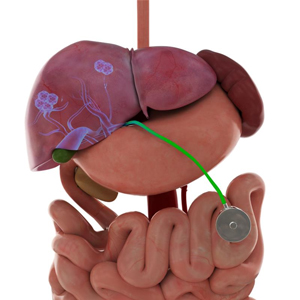
What is a Hepatic Artery Infusion Pump?
Hepatic artery infusion (HAI) pump is a small device used for delivering chemotherapy directly to the liver. This type of pump is typically used for patients with liver cancer, particularly those with metastatic cancer that has spread to the liver. The goal is to deliver a higher dose of chemotherapy directly to the liver while minimizing exposure to the rest of the body, which can reduce side effects.
HAI pump typically works in the following manner:
- The pump is surgically implanted under the skin, typically in the abdomen.
- A catheter is connected from the pump to the hepatic artery, the main blood vessel supplying the liver.
- Chemotherapy drugs are then continuously infused into the liver, ensuring direct delivery of the medication to the tumors.
- The pump is periodically refilled with chemotherapy by injecting medication through the skin into the device.
Indications for Hepatic Artery Infusion Pump
Hepatic artery infusion pump is typically indicated in the following scenarios:
- Colorectal cancer with liver metastases - Especially for patients with liver-only or liver-dominant metastases.
- Unresectable liver tumors - Tumors that cannot be surgically removed but may shrink with localized chemotherapy.
- Recurrent liver metastases after resection - Used to prevent or treat recurrence after surgery.
- Primary liver cancers (select cases) - Hepatocellular carcinoma (HCC) or cholangiocarcinoma, particularly when localized and not suitable for surgery.
- Poor response to systemic chemotherapy - When systemic chemotherapy is ineffective or causes significant side effects.
Procedure for Hepatic Artery Infusion Pump Placement
In general procedure for hepatic artery infusion pump placement will involve the following steps:
- The patient is administered general anesthesia.
- A small abdominal incision is made (usually in the upper right quadrant).
- A small titanium pump (about the size of a hockey puck) is implanted subcutaneously in the abdominal wall.
- A catheter is tunneled from the pump to the gastroduodenal artery (GDA), which supplies the hepatic artery.
- The catheter tip is placed in the proper hepatic artery.
- To prevent chemotherapy from flowing to other organs, small arterial branches like the right gastric or gastroduodenal artery may be tied off.
- The catheter delivers chemo directly to the liver through this arterial supply.
- The pump is tested with contrast dye to ensure proper flow to the liver and no leakage.
- Finally, the device is secured in the abdominal pocket.
Postoperative Care and Recovery
After surgery, the patient is usually observed in the hospital for a few days to monitor vital signs, manage pain, and check for signs of infection, bleeding, or catheter issues. Liver function tests and imaging studies are performed to confirm correct catheter placement and adequate liver perfusion. The pump is typically activated 1–2 weeks after surgery, once healing is sufficient, and chemotherapy is then started. Patients return periodically - usually every 1–2 weeks - for pump refills and assessments. Long-term care includes regular imaging to evaluate tumor response and ongoing monitoring for liver toxicity or pump-related complications.
Risks and Complications
Risks and complications associated with hepatic artery infusion pump placement include:
- Infection
- Bleeding
- Pump malfunction
- Liver toxicity
- Biliary injury
- Catheter-related complications such as dislodgement, blockage, or leakage
- Gastrointestinal complications, such as gastritis or ulcers
If you wish to be advised on the most appropriate treatment, please call to schedule an appointment or click to request an appointment online.